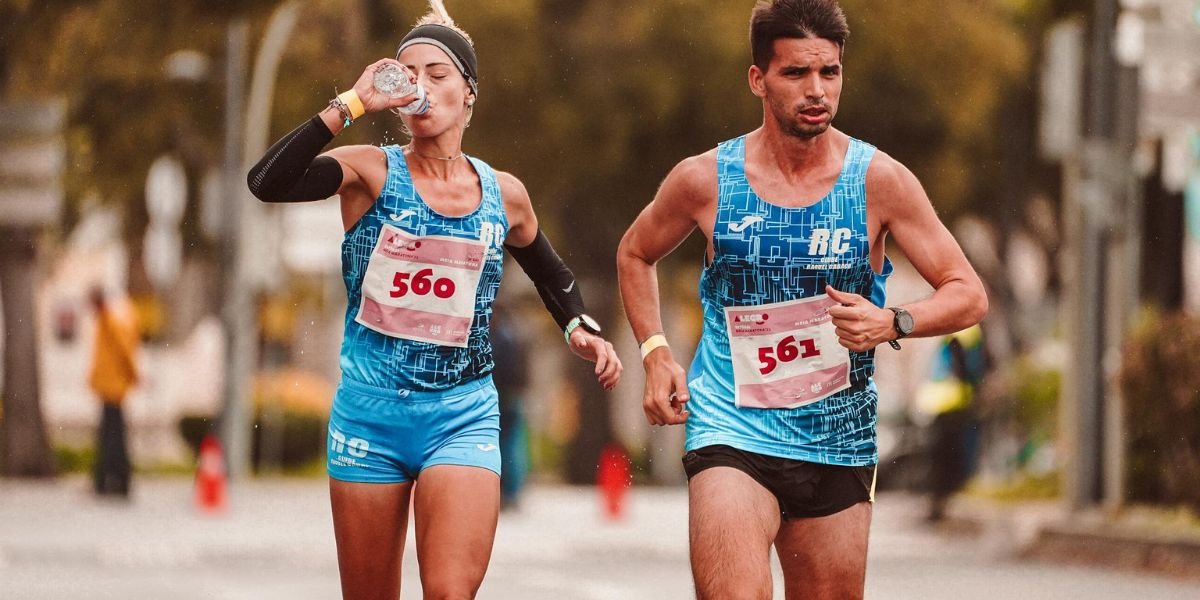
Hydration essentials become relevant once you start sweating regularly through training or physical work, because at that point, you are losing both fluids and electrolytes that need to be replaced.
Proper hydration is especially important during training and endurance work, where water intake alone does not fully offset ongoing losses.
This article explains how hydration works, when electrolytes become relevant, and which ones are necessary.
Table of Contents
Disclaimer: This article is for informational purposes only and is not medical advice. Individual needs and health conditions may vary.
Hydration Essentials
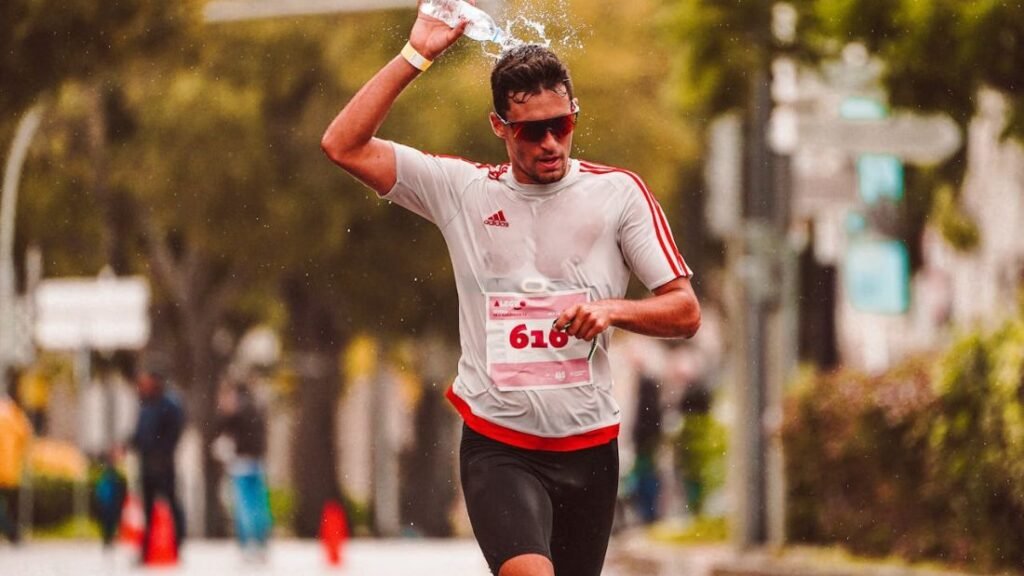
Hydration is simply the balance between fluid intake and fluid loss.
Key points:
- Fluid balance (water)
- Electrolyte balance
- Both affect your blood volume (plasma changes)
During training, fluid losses increase through sweat, and having proper hydration is about maintaining this balance of fluid and electrolytes.
Water makes up roughly 45-75% of body weight and is a major component of muscle and blood. (1)
Blood plasma is mostly water and transports fluids and electrolytes. When fluid levels drop, plasma volume decreases, making circulation less efficient and increasing strain during exercise. (2)
Fluid balance is tightly regulated by the brain and kidneys; a loss of around 2% body mass from dehydration is associated with a measurable drop in performance. (3, 4)
TIP:
Personal health conditions, including blood pressure issues and medications, can also affect hydration needs.
Water Output:
Water is lost through:
- sweat
- urine (kidneys)
- respiration (lungs)
- digestion
Training increases fluid loss, mainly through sweating. Heat and humidity may increase this further than normal.
Sweat also contains electrolytes. The main ones lost are:
- sodium
- chloride
- small amounts of potassium and magnesium
In most training situations, sodium is the main electrolyte that needs to be replaced. (5)
(more about this under Salt: Sodium and Chloride)
Water Input
Water comes from:
- fluids (drinks)
- food (especially fruit and vegetables)
- small amounts from metabolism
Consuming fluids makes up most of your intake, but food can still contribute a noticeable amount.
Water homeostasis is controlled by a “brain-kidney axis”, which acts through hormonal systems to maintain balance, also making the feeling of thirst, as a second line of defence to maintain your body’s water balance. (3)
While feeling thirsty usually means you’re already mildly dehydrated, this isn’t always the case in the morning. Thirst upon waking is often an exception to this rule. (6)
TIP:
Thirst and salt cravings are both signals related to fluid and sodium balance.
What Are Electrolytes?
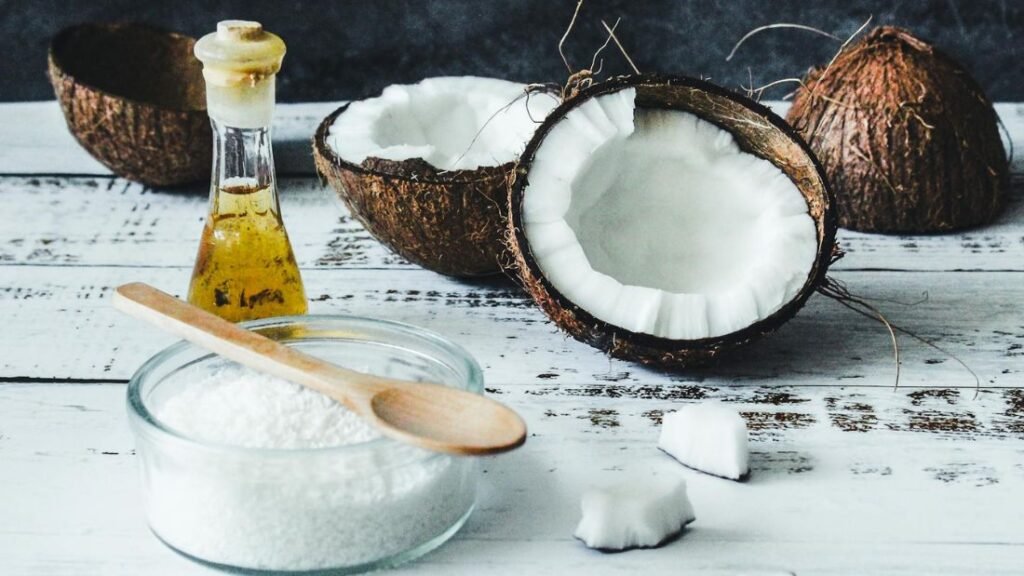
‘Electrolyte’ is basically just a fancy word for a mineral that carries an electrical charge when dissolved in water (like your blood). They have a whole range of different jobs in your body, from helping regulate fluid balance, muscle contraction, to nerve function, and literally building your bones.
The body requires seven types of electrolytes to function, but sodium, chloride, potassium, and magnesium are the main four needed to maintain hydration during intense training and exercise. (7)
The table below summarises each and their relevance:
| Electrolyte | Role in the Body | Relevance to Training | Common Sources |
| Sodium | Fluid balance, nerve transmission and muscle contraction | Main electrolyte lost in sweat; key for maintaining blood volume and hydration during prolonged exercise | Table salt, electrolyte drinks, salty foods |
| Potassium | Intracellular fluid balance, muscle contraction and nerve function | Supports muscle and nerve function; typically lost in smaller amounts than sodium during sweat | Fruit, cow milk, vegetables, legumes |
| Magnesium | Enzyme function, energy metabolism and muscle relaxation | Involved in muscle function and energy systems; deficiency may contribute to fatigue, but direct performance effects are mixed in healthy individuals | Nuts, seeds, whole grains |
| Chloride | Sodium’s “sidekick”, Fluid balance, acid-base balance and stomach acid production. | Works closely with sodium in maintaining fluid balance; also lost in large amounts in sweat. | Table salt, electrolyte drinks, salty foods |
| Calcium | Muscle contraction, nerve signalling and bone structure | Essential for muscle contraction but not significantly lost in sweat | Dairy, leafy greens |
| Phosphate | Energy production (ATP), bone structure and acid-base buffering | Important for energy metabolism; typically well-regulated and not commonly limiting in normal diets | Meat, dairy, grains |
TIP:
Cow and Soya milk is actually a more potassium-dense liquid than many sports drinks. Making it a great post workout snack.
When Electrolytes Are Needed
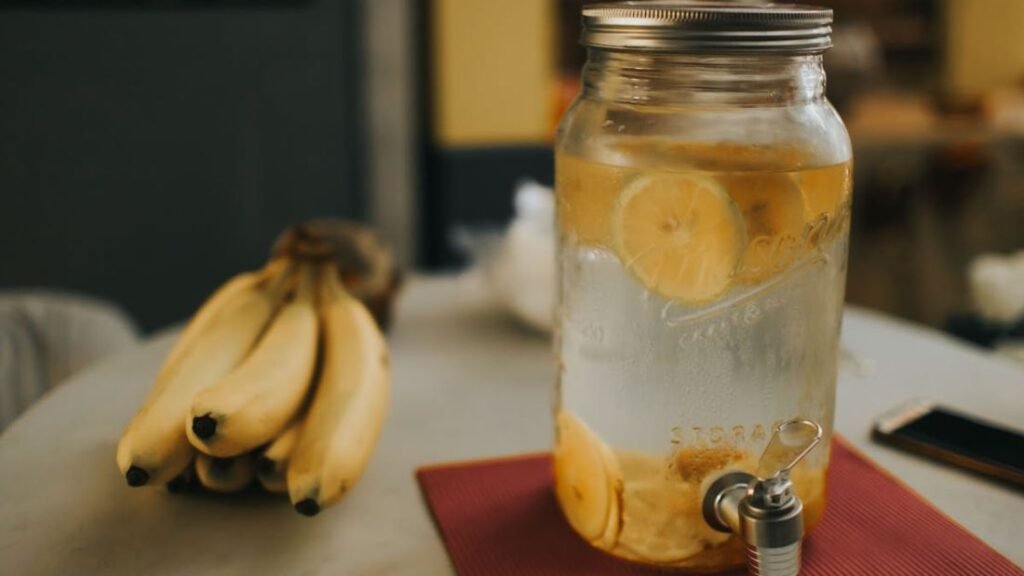
During shorter sessions (under 60 minutes), water and normal nutrition are usually enough for most people, as long as you have your Nutrition essentials covered and eat largely whole foods (which generally have more electrolytes).
Electrolytes become more relevant as sweat losses increase during longer training, physically demanding work, high heat, or repeated sessions in a day.
Research generally supports that electrolyte replacement becomes more relevant when exercise extends beyond 60–90 minutes, particularly in hot conditions or for heavier sweaters. (8)
Sweat contains multiple electrolytes, mainly sodium and chloride, with smaller amounts of potassium, magnesium, and calcium also lost.
While sodium tends to be the primary focus for replacement, the broader point is that prolonged sweating increases demands on fluid and electrolyte balance as a whole. (5)
TIP:
A single potato or a handful of nuts has way more potassium and magnesium than a standard sports drink.
Salt: Sodium and Chloride
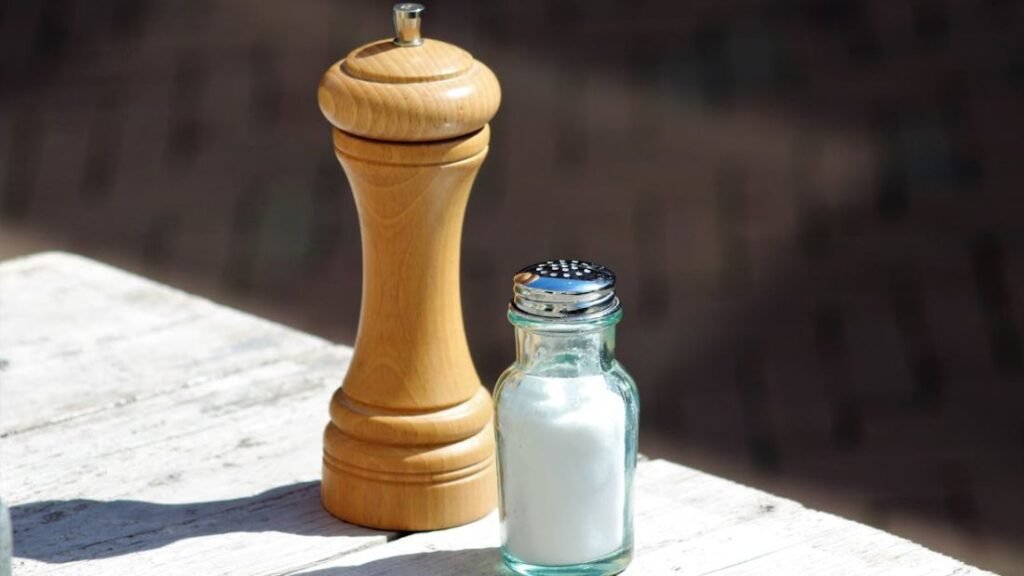
Salt is sodium chloride, made up of roughly 40% sodium and 60% chloride. A perfectly pre-packaged pair of one positive and one negative ion. (9)
These two electrolytes are typically consumed together and are also lost together in sweat.
Replacing your sodium needs naturally takes care of your chloride needs at the same time. You don’t really have to “try” to get chloride; it just comes with the salt.
Sodium is the priority during training and especially in long-distance endurance events. It is the primary factor for replacing sweat losses and ensuring your body actually retains the water you drink
Sodium losses through sweat vary significantly between individuals, ranging roughly from 200 to 2000 mg per litre of sweat, which helps explain why some people need far more sodium than others under the same conditions. (8)
TIP:
1/4 teaspoon of fine table salt in a 750ml drink bottle of water can be noticeable for some, add a squeeze of lemon or lime, to hide the saltiness.
Approximate Sodium Needs During Training
Start conservatively and adjust based on heat, sweat rate, session length, and how you respond and recover
Because of how sweat and sodium losses vary so much, practical ranges can be more useful than rigid rules. A simple starting guide looks like this:
| Session / Situation | Sodium per Hour | Salt Equivalent |
| Under 60 min easy–moderate training | Usually, none beyond a decent diet | — |
| 60–90 min moderate sweating | 300 – 500 mg | ~1/8-1/4 tsp |
| 90 min–3 hr endurance training | 500 – 700 mg | ~1/4 tsp |
| 3+ hr sessions or races | 700 – 1000 mg | ~1/4-1/2 tsp |
| General sweating, hot conditions, or long physical work days. | Towards the lower end, ~160-300mg | ~1 pinch -⅛ tsp salt or 1 sports drink (Gatorade) |
Is This For You?
If you train regularly, sweat heavily, work in the heat, or have started increasing your exercise volume, understanding hydration and electrolytes is worth a bit of attention.
For many people, the essentials are simple: drink enough water, eat well, and pay closer attention to electrolytes (sodium in particular) as sweat losses and time training increase.
The main takeaway is that water and electrolytes work together, and knowing the basics can help you avoid unnecessary fatigue and failures.
If you have dealt with cramps, feel unusually drained after training, or have started endurance work and wondered whether water alone is enough after a long run, this is likely relevant to you.
Hydration is a foundation that supports performance; it also sits alongside basic nutrition and recovery.
Have any questions or suggestions? Feel free to contact us here.
References
- Lorenzo, I., Serra-Prat, M. and Yébenes, J.C. (2019) ‘The role of water homeostasis in muscle function and frailty: A review’, Nutrients, 11(8), p. 1857. doi:10.3390/nu11081857. Available at: https://pmc.ncbi.nlm.nih.gov/articles/PMC6723611/
- Veniamakis, E., Kaplanis, G., Voulgaris, P. and Nikolaidis, P.T. (2022) ‘Effects of sodium intake on health and performance in endurance and ultra-endurance sports’, International Journal of Environmental Research and Public Health, 19(6), p. 3651. doi:10.3390/ijerph19063651. Available at: https://pmc.ncbi.nlm.nih.gov/articles/PMC8955583/
- D’Acierno, M., Fenton, R.A. and Hoorn, E.J. (2025) ‘The biology of water homeostasis’, Nephrology Dialysis Transplantation, 40(4), pp. 632–640. doi:10.1093/ndt/gfae235. Available at: https://pmc.ncbi.nlm.nih.gov/articles/PMC11960738/
- Better Health Channel (2022) Exercise – the low-down on hydration. Reviewed 8 July 2022. Available at: https://www.betterhealth.vic.gov.au/health/healthyliving/Exercise-the-low-down-on-water-and-drinks
- Riebl, S.K. and Davy, B.M. (2013) ‘The hydration equation: Update on water balance and cognitive performance’, ACSM’s Health & Fitness Journal, 17(6), pp. 21–28. doi:10.1249/FIT.0b013e3182a9570f. Available at: https://pmc.ncbi.nlm.nih.gov/articles/PMC4207053/
- Elliott, K.B., Keefe, M.S., Rolloque, J.S. et al. (2024) ‘Relationships between morning thirst and later hydration status and total water intake’, Nutrients, 16(18), p. 3212. doi:10.3390/nu16183212. Available at: https://pmc.ncbi.nlm.nih.gov/articles/PMC11435390/
- Shrimanker, I. and Bhattarai, S. (2023) Electrolytes. StatPearls. Treasure Island, FL: StatPearls Publishing. Updated 24 July 2023. Available at: https://www.ncbi.nlm.nih.gov/books/NBK541123/
- Millard-Stafford, M., Snow, T.K., Jones, M.L. and Suh, H. (2021) ‘The beverage hydration index: Influence of electrolytes, carbohydrate and protein’, Nutrients, 13(9), p. 2933. doi:10.3390/nu13092933. Available at: https://pmc.ncbi.nlm.nih.gov/articles/PMC8465972/
- Harvard T.H. Chan School of Public Health (2023) Salt and sodium. The Nutrition Source. Last reviewed March 2023. Available at: https://nutritionsource.hsph.harvard.edu/salt-and-sodium/
Share this article: