
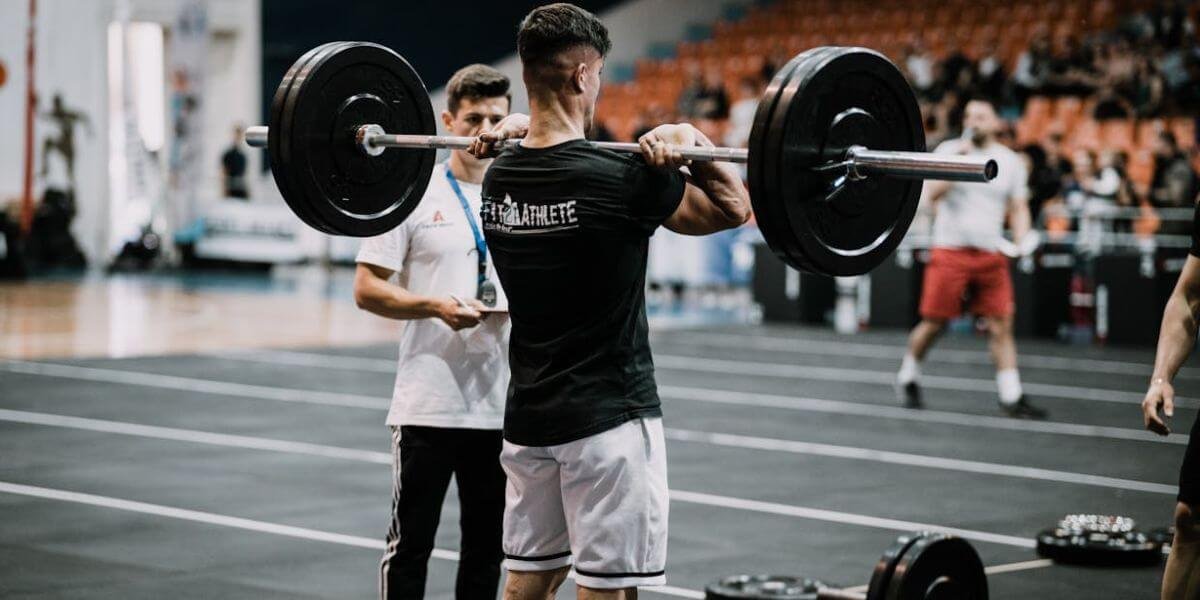
Hybrid Training is for anyone looking to build both strength and endurance by training in multiple ways.
In this article, we’ll explain what Hybrid Training is, define who a Hybrid Athlete is, show real-world examples, and outline the strength and endurance standards that define high-level performance.
Modern fitness has shifted from specialisation to versatility. It’s about developing the ability to excel in all areas of fitness; that’s where this approach comes in.
Use this guide to see if this style of training and possibly becoming a Hybrid Athlete is right for you.
The rise of the Hybrid Athlete is here. Are you ready?
Table of Contents
What Is Hybrid Training?
Hybrid Training is the practice of developing high levels of both muscular strength and cardiovascular endurance.
It’s about training both, building a body that can perform intense endurance efforts like long-distance running or cycling, while also being strong enough to lift heavy, build, and maintain muscle mass throughout your training.
Some might argue that hybrid training is just “regular fitness training.” And in a way, that’s true, as some people might include some type of strength and cardio. But hybrid training is different as it’s more intentional, aiming to improve both systems to a higher standard rather than specialising in just one and being “ok” at the other.
It’s a structured approach that creates balance between performance, strength, and endurance.
TIP:
This type of training has been around for decades but only recently started being called “hybrid”, in the last 10 years or so.
Hybrid Training Examples
Hybrid training looks different depending on your goals and the context, but the common thread is intentionally training both strength and endurance.
These examples are not routines to follow; they’re illustrations of what hybrid training can look like in real life.

Scenario 1: Race-Focused Hybrid Training
Athletes preparing for competitions such as a Triathlon, marathon, ultra-marathon, or mixed events like HYROX, obstacle races or CrossFit-style events.
Racing to focus on will guide the main focus of your training, and if that is one-sided, for example, an ultramarathon, that’s when it’s most critical to maintain and preserve the other side of your fitness (strength and muscle mass).
Scenario 2: Strength-Focused Hybrid Training
If you are training for a strength/aesthetic event (e.g. powerlifter or bodybuilder) or if your goal is just more towards strength, one might focus on heavy lifting while incorporating endurance work to improve and or maintain cardiovascular fitness and work capacity.
Scenario 3: General Hybrid Training Lifestyle
Even without specific competitions, hybrid training involves balancing both modalities and can be done as part of your everyday training routine. Building strength and muscle while improving endurance, mobility and recovery.
TIP:
Tailor your hybrid training towards your goals, but always keep both strength and endurance.
What Hybrid Training Looks Like in Practice:
Across these scenarios, hybrid training typically involves a structured week combining both modalities:
- 2–3 strength sessions per week, focused on compound lifts like squats, presses, deadlifts, and pull-ups for overall strength or focus on any weak areas that need improvement.
- 2–3 endurance sessions per week, mixing methods with easy and hard intervals, tempo efforts, and longer steady sessions.
- Recovery and mobility work, planning rest days and incorporating low-intensity cardio, yoga flow, stretching, or mobility drills to maintain function and reduce soreness.
TIP:
Mobility and flexibility is essential. Training both strength and endurance without addressing movement quality can leave you stiff, sore, and prone to injury.
Who Is a Hybrid Athlete?
A Hybrid Athlete is someone who trains and performs at a high level in both strength and endurance. Developing each to a point that’s measurable and tested through competing in at least one discipline.
Being a hybrid athlete is different from just hybrid training, as being an athlete is earned through testing and competition.
Anyone can apply hybrid training, and it’s ideal for people chasing peak performance in their overall fitness. But to truly be a hybrid athlete, you need to push both strength and endurance above average and test yourself in at least one domain.

Examples of Hybrid Athletes
Here are two different examples of quite well-known hybrid athletes to help illustrate the potential of hybrid training.
Also, keep in mind these are top-level examples and athletes. To give you something more realistic to aim for, see the examples under Strength and Endurance Standards.
Former military turned hybrid athlete, Nick Bare, is known for combining marathon and Ironman‑style endurance events with advanced levels of strength and muscle development.
He represents a classic hybrid athlete, powerful, strong, and highly conditioned with proven endurance, all achieved through measurable performance.
You can find more about Nick Bare here.
The most dominant CrossFit athlete in history, with eight CrossFit Games titles, is also an Olympic weightlifter and gold medalist in the Commonwealth Games.
She embodies the strength-first side of hybrid performance, excelling in all aspects of fitness through her dominance in one of the most demanding multi-domain sports on the planet, the CrossFit Games.
While she doesn’t compete in marathons or long-distance events, CrossFit develops the cardiovascular system more through Interval Training. Still making her a true hybrid athlete, whether she calls herself one or not.
You can find more about Tia-Clair Toomey here.
Strength and Endurance Standards for Hybrid Athletes
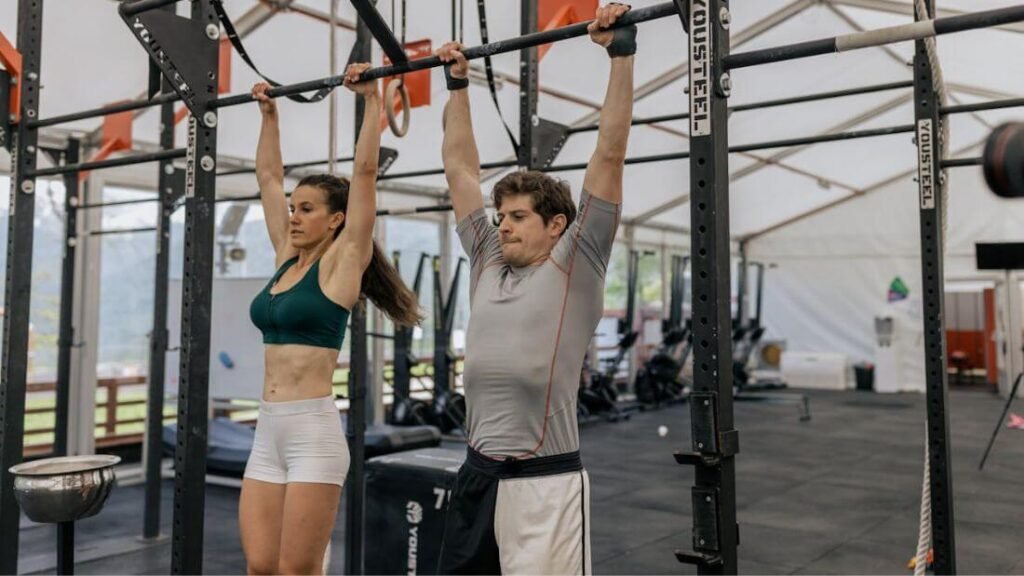
Typically, hybrid athletes would need to aim for a “high level”, also known as an Advanced level of strength, and compete in endurance races.
To illustrate what “high level” looks like in practice, here are some of the advanced-level strength benchmarks alongside typical endurance achievements.
This table shows the advanced strength and endurance standards for hybrid athletes:
| Exercise / Endurance | Male (Advanced) | Female (Advanced) |
| Squat | 1.5 × body weight | 1 × body weight |
| Deadlift | 2 × body weight | 1.5 × body weight |
| Bench Press | 1 × body weight | 0.75 × body weight |
| Bent Over Row | 1 × body weight | 0.65 × body weight |
| Endurance | Half-marathon–marathon / 50 km+ ultramarathon | Half marathon–marathon / 50 km+ ultramarathon |
| Multi-sport | Triathlon / Ironman distances | Triathlon / Ironman distances |
(Sources for strength standards: StrengthLevel.com – Strength Standards)
TIP:
Strength standards differ for males and females due to physiological differences in muscle mass and hormonal profiles.
Is This Right For Me?
Hybrid training isn’t just for elite athletes; anyone looking to improve overall fitness, strength, and endurance can benefit from hybrid training.
It’s about building a body that’s capable, resilient, and adaptable, whether that’s lifting heavier, running farther, or just being more functional day-to-day.
For me, this is exactly how I train. I’m aiming to increase my strength while preparing to compete in an Ironman later next year, balancing lifting and endurance work to push both adaptations forward.
You might start hybrid training if you want to:
- Build strength without sacrificing endurance, or vice versa.
- Be more capable across multiple physical challenges.
- To start working towards a competition, whether it’s a race, obstacle course, or strength meet.
Hybrid training builds real fitness. You can tailor it to your goals, whether that’s chasing advanced performance, competing in races, or simply becoming fitter and more well-rounded.
Nothing is stopping you from doing it all, and why not give it a try?
Have any questions or suggestions? Feel free to contact us here.
References
- Bare, N. (n.d.). About | Nick Bare | Read Nick Bare’s story to learn how he used the Go… [online] Nick Bare. Available at: https://www.nickbare.com/about/
- Bare, N. (n.d.). Nick Bare (@nickbarefitness) • Instagram photos and videos. [online] Instagram.com. Available at: https://www.instagram.com/nickbarefitness/?hl=en [Accessed 26 Oct. 2025].
- Glassman, Greg (2019). Article – CrossFit: Forging Elite Fitness. [online] Crossfit.com. Available at: https://journal.crossfit.com/article/what-is-fitness
- Hyrox (2023). The Fitness Race | HYROX. [online] Hyrox. Available at: https://hyrox.com/the-fitness-race/
- LLC, C. (n.d.). CrossFit Games | The Fittest on Earth. [online] games.crossfit.com. Available at: https://games.crossfit.com/athlete/163097
- Strength Level (2019). Weightlifting Strength Standards – Strength Level. [online] Strengthlevel.com. Available at: https://strengthlevel.com/strength-standards
- Toomey, T.-C. (n.d.). Tia-Clair Toomey-Orr (@tiaclair1) • Instagram photos and videos. [online] Instagram.com. Available at: https://www.instagram.com/tiaclair1/?hl=en [Accessed 26 Oct. 2025].
Share:



Pingback: 5 Types of Strength Training and What They Do